Ghana's Professional Beauty Resource
Featured
Achieving salon-quality results with gel polish isn't just about the products — it's about mastering the technique. From nail prep to cure times, this comprehensive guide covers every step that separates a manicure that lifts at day five from one that still looks fresh at week three.
Read Full ArticleSource: ReformA Professional
Latest Articles
Quiet Luxury has evolved. Chrome-infused mocha tones are dominating the professional nail scene in 2026 — here's how to execute the technique flawlessly and offer clients what they're seeing everywhere.
Read ArticleSource: ReformA Professional · May 2026
The evolution of the Glazed Donut aesthetic is here. Jelly-finish translucent nails are taking over — and understanding the formulation and layering technique behind the look is what separates professional results from amateur ones.
Read ArticleSource: ReformA Professional · May 2026
Proper aftercare is the single biggest factor in retention — and most complaints blamed on technique are actually client compliance issues. Here are the seven rules to communicate at every appointment, without exception.
Read ArticleSource: The Lash Professional
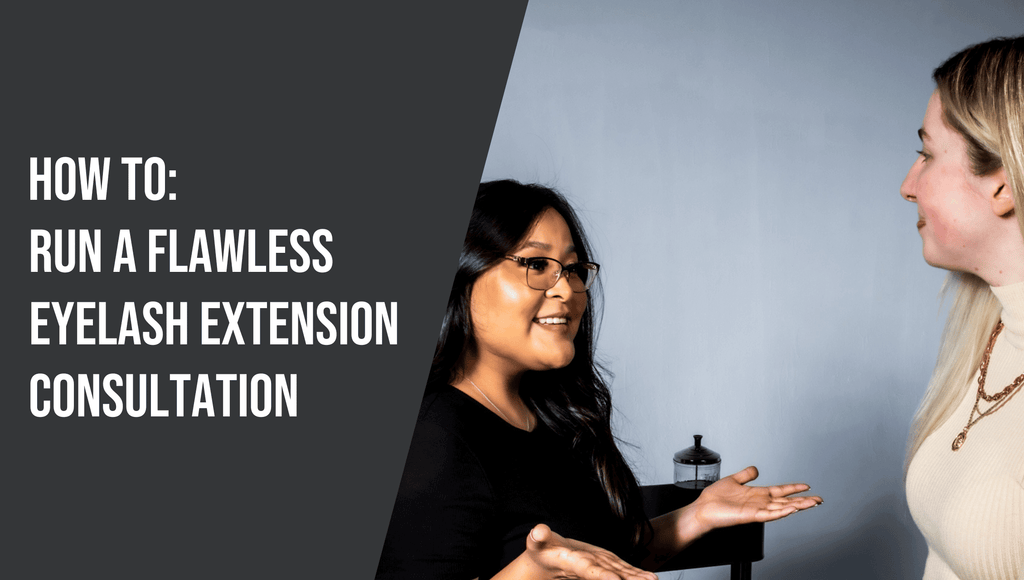
The consultation is where lash artists are made or lost. Done well, it sets expectations, builds trust, and virtually eliminates post-treatment complaints. Here's how to structure it every single time.
Read ArticleSource: The Lash Professional
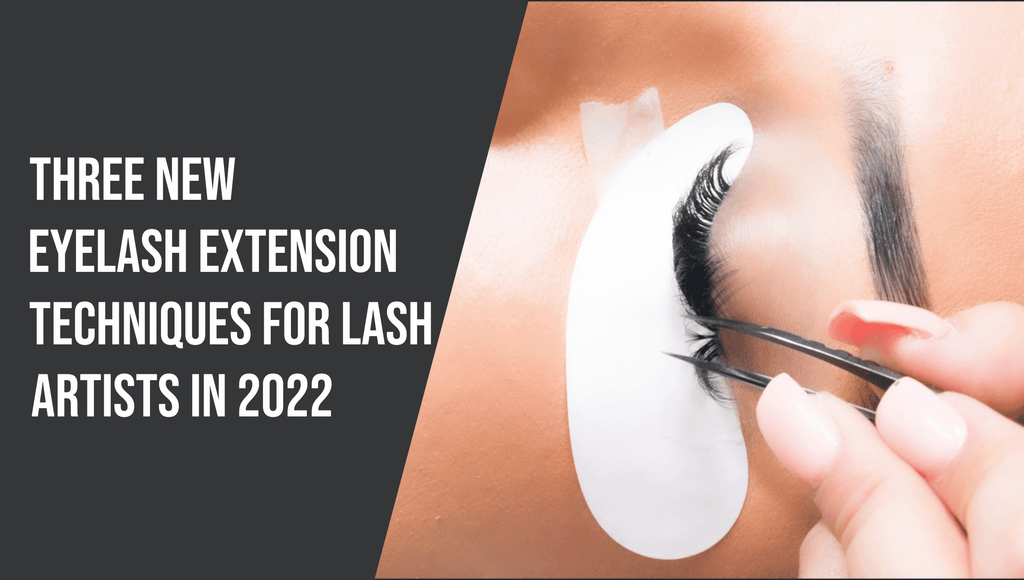
Volume, mega-volume, and wet lash are no longer niche techniques — they're client expectations. This breakdown covers what each involves, which eye shapes they suit, and the skills required to execute them safely.
Read ArticleSource: The Lash Professional
Microblading, nanoblading, lip blush, powder brows — a thorough guide to the full SPMU category, covering procedure types, healing, longevity, and what clients need to know before they book.
Read ArticleSource: LVC Academy
Lip blush is one of the fastest-growing SPMU treatments — but also one of the most technically demanding. This honest look at the training, practice requirements, and client communication separates expectation from reality.
Read ArticleSource: LVC Academy · May 2026
Every question a new SPMU artist asks about lip blush — equipment, pigment selection, skin prep, client contraindications, and what the first few months of building a client base actually looks like.
Read ArticleSource: LVC Academy · May 2026
S-Tone Pro Guides
Practical knowledge your technicians can apply from day one — included with every S-Tone wholesale partnership.
The most common cause of gel lifting is skipping nail prep. A dehydrator removes moisture and surface oils; primer creates the chemical bond that locks the gel to the natural nail. Never skip either step — especially in Ghana's humidity.
Apply gel polish 0.5–1mm from the cuticle and free of the sidewalls. Flooding the cuticle is the fastest route to peeling and lifting. The gap is invisible once the hand is relaxed, but it makes the manicure last two to three weeks longer.
Two thin coats always outperform one thick coat for durability and cure quality. Thick application traps solvents inside the gel layer, causing wrinkling, shrinkage, and incomplete cure under the lamp — even with longer cure times.
Cap the free edge with every coat — base, colour, and top coat. This single step seals the nail tip against water ingress and daily wear. It's the difference between a manicure that chips at day five and one that still looks fresh at week three.
Each gel layer must be fully cured before the next is applied. Under-cured gel remains tacky between layers, causing adhesion failure and premature lifting. Always follow the manufacturer's recommended cure time — do not shorten to save time.
Keep gel polishes stored upright, away from direct sunlight, and at room temperature. UV exposure will begin curing the product inside the bottle. Temperature extremes alter viscosity — cold makes gel too thick, heat makes it too runny.
Lash adhesive cures through moisture in the air. The ideal range is 45–65% relative humidity. Too dry and the bond cures slowly. Too humid and the adhesive shock-cures on contact, creating brittle bonds that release early. Always monitor conditions before starting.
Every natural lash must move independently after the treatment is complete. One lash stuck to its neighbour creates a lever during the natural growth cycle — and when the joined lash sheds, it can take the adjacent one with it.
C curl is the most versatile and suits the majority of natural eye shapes. D curl creates a wide-open, glamorous effect but requires sufficient natural lash strength to support the extension weight. Using too heavy a curl on fine lashes causes premature shedding.
An opened lash adhesive degrades within 4–6 weeks regardless of how it's stored. Write the opening date on every bottle. Using aged adhesive is the single biggest cause of poor client retention and accounts for most complaints incorrectly blamed on technique.
The extension should never exceed 30% of the natural lash's own diameter. Applying extensions that are too thick places excessive strain on the follicle, accelerating shedding and thinning the client's natural lashes over time.
The first 24–48 hours after application are critical. Clients must avoid water, steam, oil-based products, and touching the lashes. Provide written aftercare at every appointment. Poor retention is often a client compliance issue, not an application issue.
Pre-draw the full brow or lip shape in pencil before any pigment touches the skin. The client must approve the shape while sitting upright — lying down changes how features sit on the face. Rushing past this step is the most common source of client dissatisfaction in SPMU.
Warm skin tones need warm pigments with a golden-brown base. Cool skin tones need ashier, cooler pigments. Getting the undertone wrong means a healed result that turns orange on warm skin or grey-blue on cool skin. Always assess the Fitzpatrick scale before selecting any pigment.
Store all pigments at room temperature. Cold pigment thickens and becomes difficult to implant evenly. Warm pigment becomes too fluid, spreads beyond the intended area, and blurs fine strokes. Consistent storage temperature is a small habit that protects every result.
All SPMU heals 30–40% lighter than the freshly applied colour — this is normal and expected. Always advise clients before the procedure, not after. Setting this expectation upfront prevents the most common post-procedure anxiety.
Too shallow and pigment won't implant — the result fades within weeks. Too deep and pigment spreads into the dermis, creating blurring and migration. The correct depth sits in the upper dermis, just below the dermal-epidermal junction.
SPMU is a skin procedure. Always conduct a thorough health consultation before booking. Active skin conditions, recent Botox in the treatment area, blood thinners, pregnancy, and certain medications are all contraindications. Screening protects your client and your reputation.
S-Tone Partnership
Every S-Tone wholesale partnership includes access to professional product knowledge and guidance — the fundamentals your technicians need to work at the highest standard.
Enquire About Membership